
Technology moves fast. Every year there are new ideas, new tools and new systems that change the way we live. The subject of tech trends gfxprojectality has been getting a huge amount of attention. This isn’t just another buzzword. It accurately represents the tangible progress being made across the techie universe.
Here’s a closer look at how new tech trends are shaping tomorrow. From smart tools to virtual design, from automation to A.I. creativity, everything is changing at an accelerated pace like never before.
Understanding Tech Trends GFXProjectality
The word tech trends gfxprojectality combines two powerful concepts — graphics and reality. Plainly said, it unites the power of technology with visual experiences and real-world solutions. It demonstrates how tech and creativity are inextricably linked.
We are reaching a point where digital space and physical space is becoming overlapped. This change isn’t confined to gaming or entertainment. It has the potential to impact areas such as education, healthcare, business and even everyday life.
Now the trend is toward technology that feels more real, more useful and more connected for people. It is tools that truly work with human sensibility and movement.
The Rise of Visual and Interactive Tech
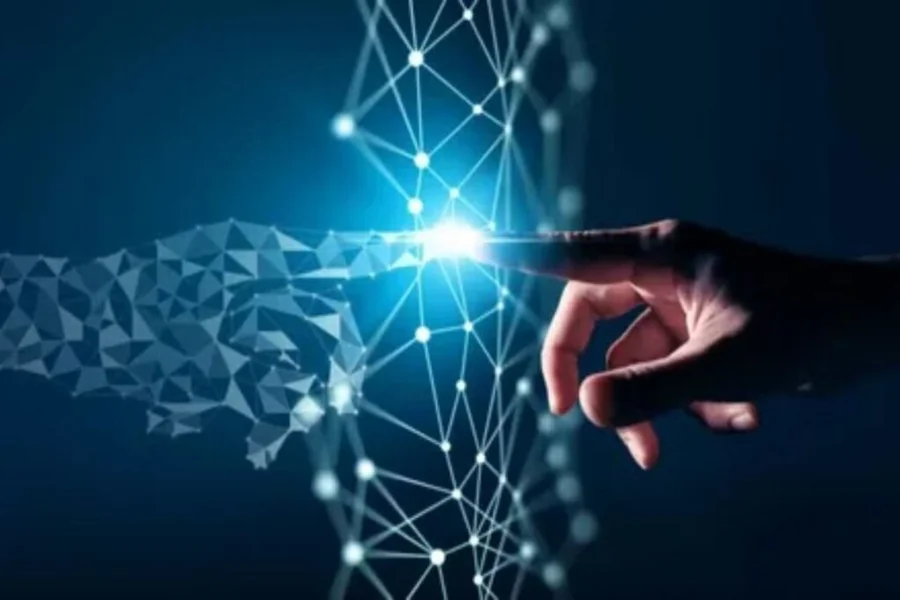
One major trend within gfxprojectality is visual tech. Every company now wants products that are more interactive. From AR-based learning apps to virtual stores, visual technology is changing user experience.
Designers use 3D graphics, motion visuals, and simulation tools to make better interfaces. People can now test, learn, and explore through digital visuals that feel real. These tools help users understand complex ideas in simple ways.
For example, in architecture, 3D visualization lets clients walk through a house before it is built. In healthcare, virtual surgery simulators help doctors train safely. In education, AR classrooms let students explore science in action.
That is the power of gfxprojectality in practice.
AI at the Center of Everything
Artificial Intelligence is no longer a side tool. It stands at the core of every major tech trend today. Whether it’s automation, design, or analytics — AI helps make systems smarter and faster.
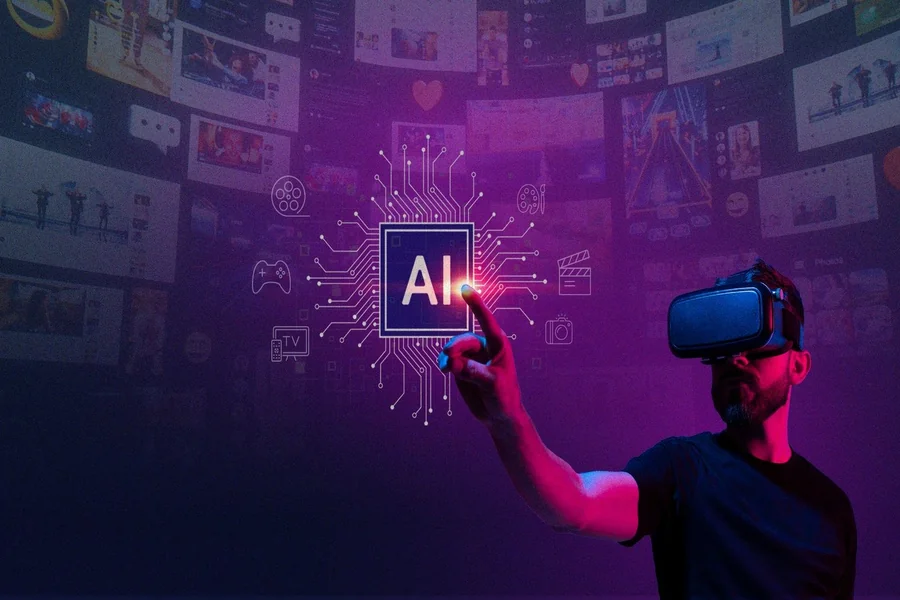
Within gfxprojectality, AI improves how visuals are created and how they respond to users. It can render scenes in real-time, adapt to lighting, or create realistic movement. In marketing, AI helps design better visuals that match user interest.
AI-driven art, content creation, and data visualization are also becoming mainstream. Artists and developers use machine learning to speed up creative processes. It is not replacing humans but helping them work better.
Cloud and Edge Computing Continue to Grow
Another strong trend is cloud and edge technology. These systems help process data faster and support new digital tools. With the rise of gfxprojectality projects, computing power is more important than ever.
Rendering complex visuals or running live AR systems takes huge amounts of data. The cloud makes it possible to store and process that data in real-time. Edge computing adds another layer of speed, placing processing closer to users.
Together, they make experiences smoother. No lag, no issues — just speed and reliability. This blend is aiding industries with their digital transformation in faster ways without requiring massive physical infrastructures.
The Expanding Role of Virtual and Augmented Reality
Virtual and augmented reality, they’re not just for games anymore. These are the main tools used in trail modelling in gfxprojectality. They assist in the integration of digital models with information obtained from the real world.
VR has since infiltrated the online meetings, remote work and digital tours markets. AR helps field workers, teachers and students interact with virtual data in real environments. These instruments produce a learning and working environment through practice with them.
And with lesser-of-expense headsets and stronger software, the field will continue to grow. The industry is working to make these tools both lighter, faster and simpler. The aim is to make digital workspaces as ubiquitous as physical ones.
Automation and Smart Tools
Automation continues to permeate every industry. It saves time, cuts down errors, improves performance. An automation involves workflows, visuals generation and data analysis in the space of gfxprojectality.
Smart software can now predict design errors or adjust lighting automatically. In manufacturing, automated 3D visualization supports faster production. In marketing, automated visuals keep campaigns dynamic and fresh.
This shows how automation is not just about machines. It is about smart systems that adapt, learn, and support human creativity.
The Push Toward Sustainable Tech
Another expanding part of tech trends is sustainability. Companies and users now value energy consumption more than ever and are sensitive to eco-friendly design. Gfxprojectality is well in such a vein.
Digital modeling saves waste by eliminating the necessity of physical probotypes. Simulation tools aid in virtually testing products. Cloud systems share resources to reduce carbon output.
Tech that is sustainable isn’t optional anymore; it’s the future. Give that gfxprojectality a wider scope, and it goes without saying: here’s your opportunity to innovate while preserving Earth.
Cybersecurity Remains a Key Focus
As data flows more through virtual and digital channels, security is paramount. New risks accompany every new trend. Cybersecurity must adapt to them.
The preservation of vision and motion information is critical in gfxprojectality systems. And hackers can go after VR networks or 3D design data. You need robust encryption, identity safeguards and secure cloud storage.
The next wave of tech growth will be predicated on how secure these systems are. Without trust, innovation slows down. Cybersecurity is the reason why people are able to create, share and connect.
The Human Side of Technology
Tech is not just about machines. It is about people. The real success of gfxprojectality depends on how it connects with users.
Developers now focus more on user experience and mental comfort. The goal is to make tools simple, natural, and inclusive. Whether someone uses AR for learning or AI for work, it should feel helpful, not complex.
This human-driven approach is pushing design in a new direction. It keeps tech grounded and realistic.
What’s Next for Tech Trends GFXProjectality
The future looks wide open. More devices, faster processing, and better visuals are coming. We will see deeper connections between AI, design, and real-world use.
Gfxprojectality will likely become a part of daily life. From smart home displays to online meetings, everything will feel more interactive. Businesses will use it to train, plan, and market better. Schools will use it to teach through experience.
It’s not just a passing trend. It is the next stage of digital reality. Every step we take in this direction brings us closer to a world where digital and real blend seamlessly.
Final Thoughts
The world of tech trends gfxprojectality shows how technology keeps changing. It is not about gadgets or hype. It is about creating real impact. The focus now is on connection — between systems, visuals, and people.
As new trends rise, one thing stays clear. Technology keeps evolving to make life smarter and easier. The balance between innovation and simplicity will define the next decade. Gfxprojectality is leading that shift — one project, one idea, and one experience at a time.