
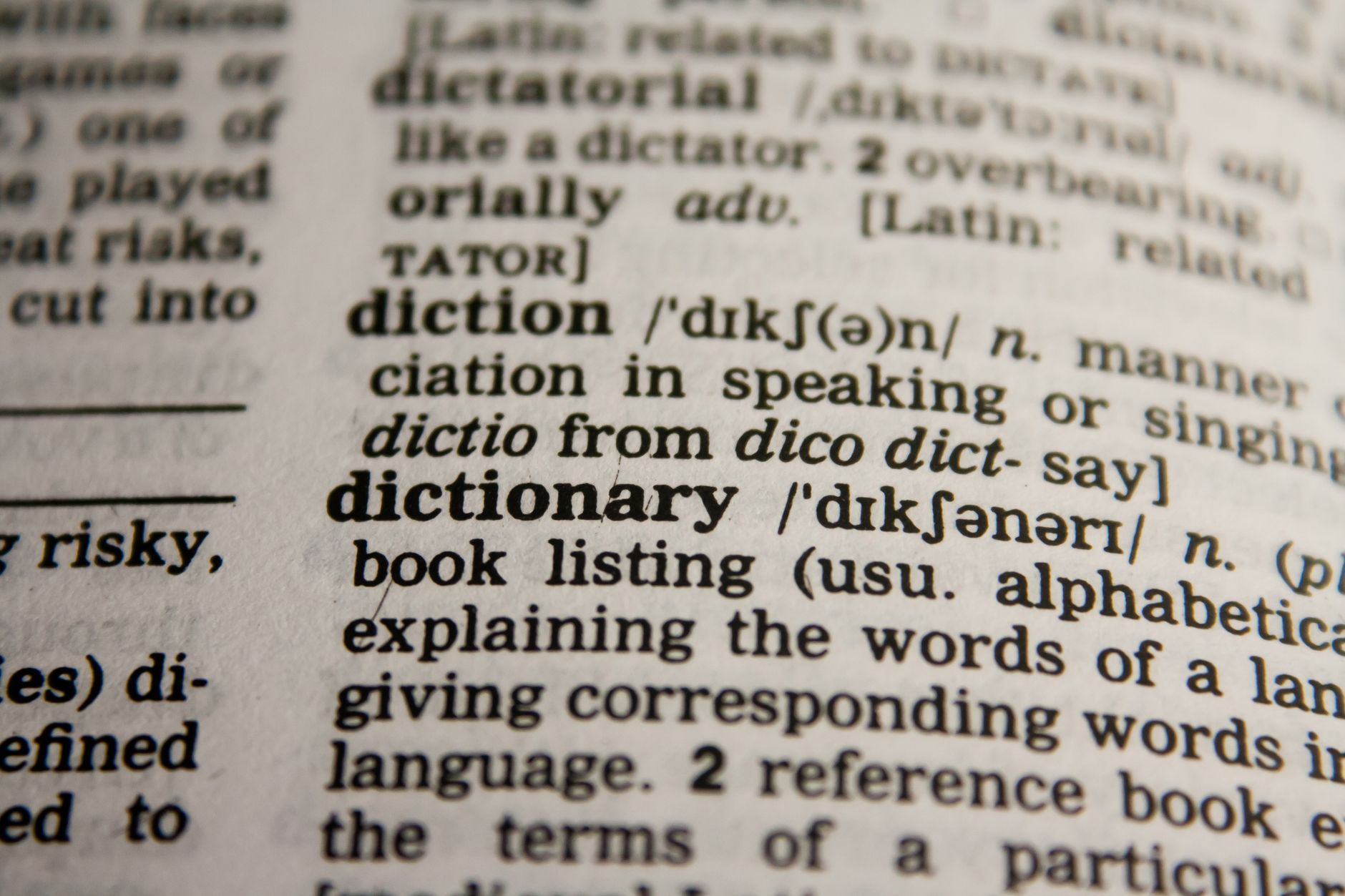
You see a message that says "I'm so gitty about the trip!" and pause. Is gitty a word, or did they mean something else? If you've looked up gitty meaning, you've probably noticed that dictionaries don't help much. That's because gitty is almost always a misspelling of giddy.
What people mean by gitty
When someone writes gitty, they nearly always mean giddy: excited, bubbly, a little lightheaded with joy. "I'm gitty about the concert" really means "I'm giddy about the concert." The sound is close, especially in fast speech, where the d in giddy can come out sounding like a soft t.
That's the main reason the mix-up happens. People spell words the way they hear them, and in many accents giddy and gitty sound almost the same.
What giddy actually means
Giddy has two related meanings.
The first is the happy one: feeling so excited or delighted that you're almost silly. A kid on the morning of their birthday is giddy. So is someone who just got the job they really wanted.
The second is physical: feeling dizzy or unsteady. "I stood up too fast and felt giddy" means you felt lightheaded. This sense is a bit older and more formal, but you'll still see it in books and medical leaflets.
Both meanings share the idea of your head spinning, whether from joy or from standing up too quickly.
Is gitty ever a real word?
Not in standard English dictionaries. You might find it as a nickname, a username or a brand name, but as an everyday word it doesn't have its own meaning. Some people also confuse it with "gritty," which means tough, determined or rough in texture. A "gritty detective drama" is dark and realistic, which is pretty much the opposite of giddy.
So if you meet gitty in a text, read it as giddy unless the context clearly points elsewhere.
Giddy in everyday sentences
Here are a few natural ways to use it:
"She was giddy with excitement when the tickets arrived."
"The crowd got giddy as the band walked on stage."
"I felt a bit giddy after the rollercoaster."
You'll also hear the phrase "giddy up," which riders say to get a horse moving. It's playful, and people sometimes use it jokingly to mean "let's go."
Related words
If you want to vary your wording, these sit close to giddy:
Elated, for a strong, happy high.
Excited, the plain everyday option.
Lightheaded or dizzy, for the physical sense.
Giddy has a slightly childlike, fizzy feel that "excited" doesn't quite capture. That's why people reach for it, and why they sometimes misspell it in a hurry.
How to remember the spelling
Think of "dizzy," which also has a double letter in the middle. Giddy and dizzy both describe a spinning head, and both use a doubled consonant: dd in giddy, zz in dizzy. If you picture the two words side by side, the d spelling sticks.
You can find more quick explanations of confusing word pairs like this at compairro.com, which is handy when a text leaves you second-guessing.
Why the mix-up spreads online
Misspellings like gitty travel fast on social media. One popular post uses it, a few people copy it, and soon it looks normal. Search engines even start suggesting it. That doesn't make it correct, though. In emails, school work or anything slightly formal, giddy is the spelling that won't raise eyebrows. In a casual text to a friend, nobody will mind much either way, but now you'll know the difference.
The takeaway
Gitty isn't a standard word. When people write it, they mean giddy, which describes feeling happily excited or a little dizzy. Use giddy in your own writing, and if a friend says they're "gitty" about the weekend, you'll know exactly what kind of mood they're in.